
How Arrest Warrants Work in Wharton County
Chapter 15 of the Texas Code of Criminal Procedure sets the framework. An arrest warrant is a written order from a magistrate telling a peace officer to bring an accused person into custody. Before signing, the magistrate reads a complaint, which names an offense and lays out the facts supporting probable cause. Wharton County cases then split by level. Felony matters run through the 23rd or 329th District Court with the District Clerk, county-level matters go to County Court, and authorized Class C cases can sit with a JP or municipal court. No single county page shows every arrest warrant these courts hold, so the court itself is the real source.
Wharton County Arrest Warrants Need a Complaint
Articles 15.04 and 15.05 spell out what a complaint must contain. It should identify the accused when known, state the offense and the probable-cause basis, and give the time and place as definitely as possible. Every Wharton County warrant rides on that filing. A missed court date or an unpaid ticket usually brings a different instrument instead, such as a bench warrant or capias. District, county, JP and municipal judges each act within their own authority here. The court coordinator or clerk can point you to the docket, though neither can give legal advice about the allegations or a defense.
Inside a Wharton County Arrest Warrant
Wharton County posts no public sample warrant to copy. Treat the fields as questions to ask about an arrest record, drawn from the elements on the county's blank bond form. They describe no named person. The issuing court can tell you which identifiers belong to the warrant, the charge, the bond, or the next setting.
| Warrant or cause number | NO PUBLIC SAMPLE No local number format was published. |
|---|---|
| Person and charge | The bond form has blank name, date-of-birth and charge fields; no completed record is reproduced. |
| Issuing authority | Ask which magistrate or court signed the process and where the case is pending. |
| Bond information | The form includes a case-specific amount and surety fields, not a countywide schedule. |
| Issue and service dates | Ask the clerk or serving agency what dates are recorded. |
| Return or recall | Confirm whether the warrant was executed, recalled, quashed or remains active. |
Wharton County Executed Warrants Have a Public Rule
Article 15.26 makes an arrest warrant and its supporting affidavit public information once the warrant is executed, subject to other law. That rule does not create a countywide search page in Wharton County. An unserved warrant, an active investigation, a sealed record, or juvenile material can carry different access limits. When you file a public-records request, name the court or agency, ask for an existing record, and give a date range or cause number. Under the Texas Public Information Act, an office may redact or withhold material under an applicable exception. If a file is only partly protected, ask for the releasable portion.
Access rule: Execution can change public access, but it does not erase juvenile, sealed, investigative or federal limits.
Serving Arrest Warrants in Wharton County
Several hands can serve process in Wharton County. Sheriff's deputies, four precinct constables, municipal police, and other authorized peace officers all qualify, and the court and agency decide the assignment. WCSO lists 979-532-1550 as its main contact; Wharton Police lists 979-532-3131. Neither office publishes warrant-service hours, a same-day booking promise, or a universal walk-in route. After an arrest, the holding agency processes the person and a magistrate addresses bond and the next setting under law. The WCSO bond form records a case, charge, surety, amount, and court date, but it sets no public price list. One more thing matters: a bond or release does not end the underlying case.
Wharton County Warrant Service Uses Several Agencies
WCSO is the Wharton County route for criminal-warrant questions, bond issues, and custody inquiries. Constables keep separate precinct contacts. Wharton Police says its CAD/MCT tools show outstanding-warrant indicators to officers, but the public cannot tap into those internal systems. El Campo's police phone appears in the state DPS approved-agencies directory, though the city offers no dedicated warrant portal. Ask the issuing court which agency holds service responsibility. The serving agency may answer a custody question, while only the court can recall a warrant, set a new date, or enter an order changing the case.
Comparing Arrest, Summons, and Bench Warrants
These papers call for different responses. An arrest warrant authorizes custody on probable cause, a summons directs a person to appear, and a bench warrant answers a problem with court process. In Wharton County, read the label on the court paper, then ask the issuing office what response it requires. A bench-warrant process does not automatically mean a new charge.
| Feature | Arrest Warrant | Summons | Bench Warrant |
|---|---|---|---|
| What it orders | Take the accused into custody. | Appear at the stated time. | Bring a person before the court. |
| Basis | Complaint and probable cause. | A charge or notice with an appearance instruction. | Missed setting, noncompliance or another court-process issue. |
| Who issues it | Magistrate under Chapter 15. | Court or authorized officer, as the process allows. | The court with the underlying case. |
| How to respond | Contact counsel and the issuing court about bond and appearance. | Follow the date and instructions on the notice. | Ask the court about a setting, recall or other required action. |
Wharton County Federal Warrants Leave the County Lane
Federal matters never run through a Wharton County court portal. Wharton sits inside the Southern District of Texas. PACER serves as the federal case and docket service, and the U.S. Marshals Service handles federal process through official district channels. Remember that a docket search is not a live warrant list, and sealed matters may not appear at all. The official PACER fee page explains the federal docket service, not a Wharton County charge or warrant result.
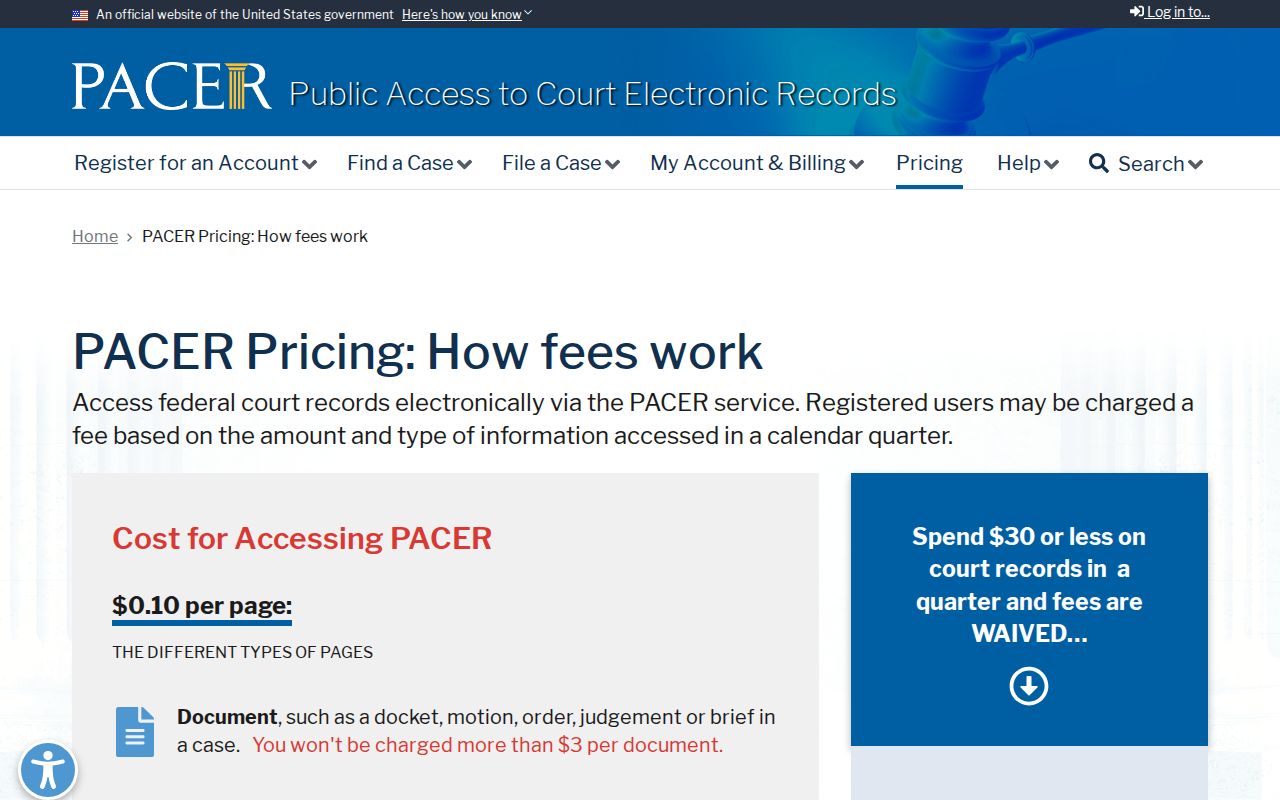
For a federal concern, start with the PACER case-search information and the U.S. Marshals district page. A local citation payment cannot clear an outside hold.
Wharton District Calendars Do Not Confirm Warrants
Wharton County runs two district courts, the 23rd and the 329th, and each one posts its own information online. A calendar or local rule can point you to the right court. What it cannot tell you is whether an arrest warrant is still outstanding. For a district criminal file, call District Clerk Kendendra Charbula's office is the better move: 103 S. Fulton Street, or 979-532-5542, with your cause number in hand. County Clerk records and a court docket are two different doors to the same building. Ask the clerk which index covers your case, then go to the issuing court or the Sheriff's Office for current warrant status. An index entry alone proves nothing about service. Use the District Clerk's official contact page to confirm how to request records today.
If There's an Arrest Warrant for You
Start with phone calls. Contact the issuing court and the Wharton County Sheriff's Office about routing, and talk to an attorney before any planned appearance. Ask directly whether a warrant is active, what bond the judge set, whether another county or a federal hold applies, and where bond must be filed. Wharton County publishes no walk-in surrender window and offers no universal recall form. A city portal or a DPS answer does not settle a district-court warrant. Once you appear, pay, post bond, or obtain a recall, keep the receipt and press for a signed order or docket entry. Ask the court when it will notify the serving agency. For the wider county route and resolution steps, see the Wharton County warrant records home section.
Important: Get legal advice before a voluntary appearance. No public Wharton County source promises walk-in hours, bond eligibility or same-day release.